As of October 10, 2026, the expanded export control measures announced by China in October 2025 remain suspended until November 10, 2026. A new development came from the China-EU talks held on October 8–9: China said it is willing to continue facilitating export license approvals for rare earths and permanent magnets destined for the EU through a “green channel.”
That licensing understanding is worth watching, but it does not confirm that the suspension has been extended or settle what will happen after November 10. For buyers of magnetic separators, magnetic rods and permanent magnets, the practical priority is to follow formal policy notices while checking material information, supplier documentation and delivery plans.
November 10 is a policy milestone, not a confirmed restart date
China’s Ministry of Commerce previously stated that the relevant measures announced on October 9, 2025, would remain suspended until November 10, 2026. Buyers should therefore watch for any formal extension, revision or implementation notice before that date.
It would be premature to state that the suspended measures will automatically resume on November 10. The policy status after that date should be confirmed through formal notices from the relevant Chinese authorities. The published suspension deadline and the rules that may apply afterward are separate questions.
What the latest China-EU talks changed
At the second meeting of the China-EU Trade and Investment Consultations on October 8–9, the two sides published a list of shared understandings. China said it is willing to continue using a “green channel” to facilitate export license reviews for rare earths and permanent magnets destined for the EU. The EU, in turn, said it would continue working with member states to help resolve key licensing cases involving dual-use items exported to China.
This gives buyers a new point to monitor: rare earth and permanent magnet licensing remains part of China-EU trade discussions, and both sides have expressed support for facilitation. However, the statement does not say that the understanding changes the November 10 suspension deadline, nor does it set out a general policy for all exports after that date. An arrangement concerning EU-bound licensing should not be assumed to apply in the same way to every destination, product or company.
What this means for magnetic separator procurement
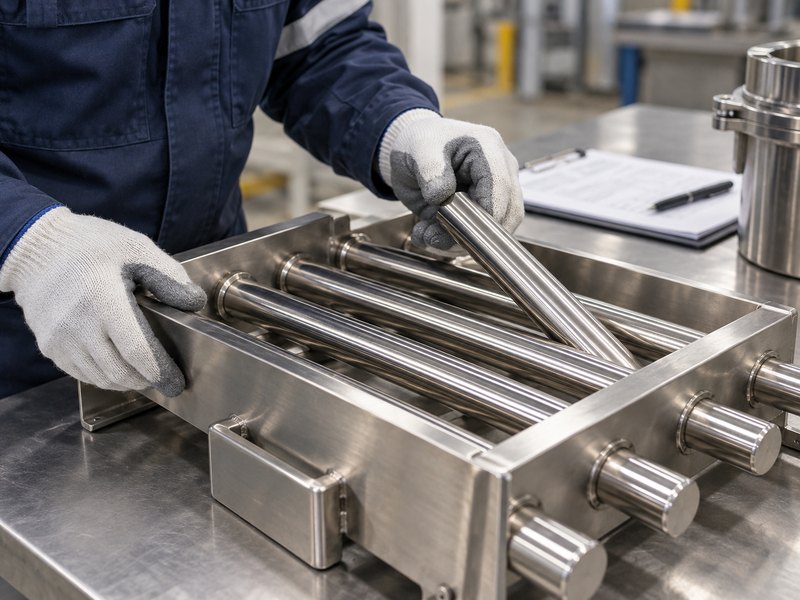
Magnetic rods, grates and other components can differ in material composition, manufacturing steps, export routes and end use. Generic labels such as “NdFeB,” “permanent magnet” or “made outside China” are not enough on their own to determine whether a specific item falls within a particular control measure.
Procurement and maintenance teams can start with these checks:
- Request verifiable material information. Ask suppliers for the magnet type, key composition details, operating temperature rating and supporting product or material documents. If control-list classification is relevant, have the supplier’s compliance team or a qualified adviser check the item against the formal list.
- Confirm licensing and trade documentation. Establish who is responsible for any license application, which product and destination the documents cover, and whether replacement rods, spare parts and future replenishment are included.
- Review delivery and installation schedules. For equipment or spares due near the policy date, confirm production, shipping and customs plans with the supplier, and allow room in the project schedule for changes.
- Evaluate alternatives through engineering tests. A lower-heavy-rare-earth or other magnet specification may or may not meet capture efficiency, operating-temperature and durability requirements. Validate any substitute against the actual application rather than relying on a material label.
- Build policy-change procedures into supply arrangements. For critical spares and long-lead projects, discuss delivery updates, document responsibilities, alternative specifications and communication steps if the rules change. Have procurement, engineering and compliance teams review the plan together.
What to monitor next
In the coming weeks, procurement teams should track three areas:
- Formal policy notices: Any announcement that extends, reinstates, revises or phases in the suspended measures.
- Licensing practice: How the China-EU “green channel” is implemented, including its scope, application process and review timelines.
- Supplier-specific fulfillment details: Material documentation, license responsibilities, lead times and spare-parts arrangements for the product, destination and project at hand.
Market speculation or a supplier’s broad assurance of “compliance” is not enough to support a specific purchasing decision. A more useful approach is to connect the policy review to each order: record the product model, material documentation, shipping origin, destination, responsible party and planned delivery date, then review the details when formal rules are issued.
Conclusion
As of October 10, 2026, the confirmed points are that the relevant expanded measures announced in 2025 are suspended until November 10, and that China and the EU have agreed to continue facilitating EU-bound rare earth and permanent magnet license reviews through a “green channel.” The latter is a new signal of engagement, but it does not answer what policy will apply after November 10.
For magnetic separator buyers, the priority is not to predict one policy outcome. It is to make sure each critical purchase has clear material information, documentation, licensing responsibilities and delivery plans. As a policy milestone approaches, specific and traceable supplier information is more useful than broad risk statements.
Disclaimer: This article summarizes public information available as of October 10, 2026, for general industry discussion only. It is not legal, customs or export-control advice. Whether a specific transaction requires a license should be assessed against applicable laws, formal control lists, product technical data, transaction route and end use by the company’s compliance team or a qualified adviser.