
Magnetic Separators for Belt Conveyor
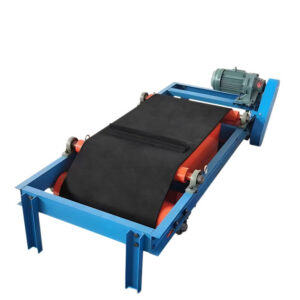
-Product Highlights
The Self-Cleaning Overband Magnetic Separator combines a high-gradient permanent magnetic core with an automated continuous iron removal mechanism, enabling seamless industrial protection without the need for frequent manual cleaning. Engineered with key operational advantages such as low energy consumption, automatic impurity discharge, and exceptionally stable field performance, this cross-belt separator is highly ideal for extracting tramp iron and ferrous particles suspended on fast-moving belt conveyor systems. It is widely adopted across heavy-duty processing lines within the mining, cement manufacturing, thermal power generation, coal processing, and building materials industries, acting as a critical line of defense that further protects downstream equipment, prevents costly conveyor belt damage, and increases final material purity.
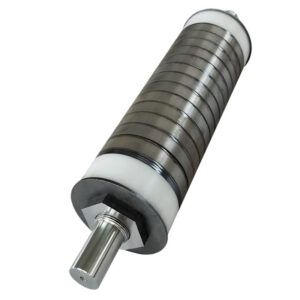
-Product Highlights
The High-Intensity Magnetic Head Rollers are premier industrial engineering components designed to serve as the critical automated separation point at the discharge head of conveyor systems. Each precision-built pulley is composed of high-performance, rare-earth permanent magnets and high-permeability magnetic conductive plates, forming an intensely concentrated magnetic field through an optimized magnetic circuit design. Specially engineered to replace standard head pulleys in magnetic separators and iron removal equipment, these rollers enable precise continuous separation of both strongly ferromagnetic and weakly magnetic contaminants from fast-moving dry powders and granular materials. Due to their exceptional field depth and rugged durability, they are widely adopted across heavy industrial processing lines within the mining, metallurgy, lithium battery materials, and plastics recycling industries.
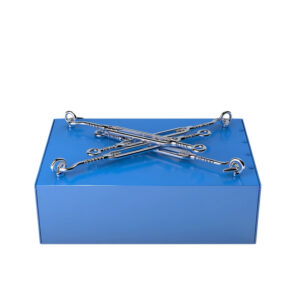
-Product Highlights
The Suspended Permanent Magnetic Separators are heavy-duty industrial purification blocks designed to provide deep-reaching tramp iron interception over high-speed belt conveyor systems. Positioned directly above the material conveying path, this high-intensity magnetic plate continuously extracts damaging ferrous impurities from bulk material streams, safeguarding expensive downstream crushers, shredders, grinders, and pulverizers from catastrophic mechanical breakage. By dramatically improving final product purity and preventing conveyor belt tearing, these robust permanent magnetic systems are widely relied upon across demanding production lines within the construction recycling, mining aggregate, extractive metallurgy, fine chemical, and industrial wood processing industries.
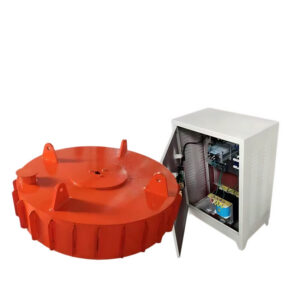
-Product Highlights
The Electromagnetic Disc Separators, which are also frequently recognized in the bulk processing industry as electromagnetic iron removers or suspended disc-type separators, generate an intensely concentrated magnetic field through an active high-density excitation coil mechanism to eliminate metal contamination. Positioned strategically above material flow paths, this advanced system effectively attracts and extracts sharp tramp iron and fine ferrous impurities from heavy bulk materials. A defining operational benefit is that the active magnetic field strength can be flexibly adjusted and finely calibrated via an external intelligent control cabinet, making it uniquely suitable for demanding industrial applications that require high precision, massive material processing capacity, and the reliable removal of weak magnetic fragments. Due to its superior field depth and adjustable power, this technology is widely utilized within the mining, metallurgy, construction materials, lithium battery materials, and fine chemical industries.
-Product Highlights
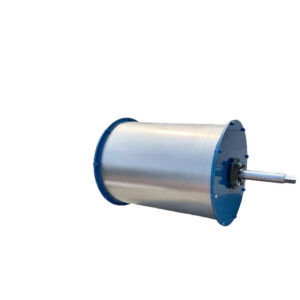
The Permanent Magnetic Drum Separators, which are also widely recognized in the industrial manufacturing sector as permanent magnetic drums or high-flux magnetic pulleys, are heavy-duty drum-type separation systems embedded with an intricate internal matrix of high-performance permanent magnets. Engineered for high-volume automated purification, this versatile equipment can directly replace the traditional driven pulley of existing conveyor belt systems or be enclosed inside gravity chutes to facilitate the continuous processing of dry powders and granular materials. Delivering a certified iron removal efficiency of 98 percent or higher, this robust sorting technology is extensively utilized across global processing facilities within the mining, construction materials, plastics recycling, lithium battery raw materials, and food processing industries to reliably eliminate iron contaminants, protect subsequent grinding and crushing equipment from mechanical wear, and improve final product purity.
Industrial Magnetic Separators for Belt Conveyor Systems
How Do Magnetic Separators Work on Belt Conveyors?
Conveyor magnetic separators attract ferrous metal from material moving along a belt or passing through a transfer point. Depending on the design, the magnetic field is positioned above the conveyed material or within a roller or drum at the discharge area. Captured metal is then removed manually or carried to a separate discharge point by the equipment.
These separators can help reduce the chance that bolts, wire, iron scrap, and other ferrous objects reach downstream machinery. Separation results depend on the size and position of the metal, the depth and speed of the material stream, the distance to the magnet, and the equipment configuration. No single separator design is suitable for every conveyor.
Which Conveyor Magnetic Separator Should You Choose?
Self cleaning overband magnetic separators are suspended above a conveyor and use a moving discharge belt to carry captured ferrous metal away from the material stream. They are useful where contamination is frequent enough that manual cleaning would interrupt production.
Suspended permanent magnetic separators are positioned above the belt to attract ferrous objects as material passes underneath. They do not require power to generate the magnetic field, but collected metal must be removed according to the selected unit’s cleaning arrangement. Installation height and material depth are important selection factors.
Electromagnetic disc separators use an electrically energized magnetic field above a material flow path. They may be considered where the process calls for an electromagnetic design or specific control of operating conditions. Their electrical supply, controls, installation clearance, and duty requirements must be assessed as part of the complete system.
Magnetic head rollers form a separation point at the conveyor discharge. As material travels around the head roller, magnetic particles can remain attracted for longer than nonmagnetic material and follow a different discharge path. They are most relevant when the conveyor layout permits separation at its head end.
Permanent magnetic drum separators use a rotating drum and an internal magnetic system to separate ferrous material at a feed or transfer point. The drum, feed arrangement, and discharge paths must be designed together. A drum installed as a separate unit should not be assumed to replace an existing conveyor pulley.
Key Factors in Conveyor Separator Selection
Start with the belt width, belt speed, material throughput, burden depth, and available mounting space. Then define the metal you need to capture: its likely size, shape, quantity, and position within the material stream. These details help determine whether an overhead unit or a discharge point separator is more appropriate.
For an overhead separator, confirm the proposed suspension height and whether surrounding steelwork could affect installation or performance. For a head roller or drum, review the feed and discharge geometry so separated metal has a practical path out of the product stream. Cleaning access, electrical requirements, environmental conditions, and integration with existing equipment should also be confirmed before ordering.
Industrial Applications
Belt conveyor magnetic separators are used in mining and quarrying, aggregate production, cement manufacturing, coal handling, power generation, recycling, port operations, and wood processing. Their role may be to protect equipment from larger tramp iron, remove ferrous material from a product stream, or recover metal as part of a sorting process. The required separator and installation point depend on which of these outcomes the line needs.
Operation and Maintenance
Inspect the separator and remove accumulated metal according to the operating conditions. Self cleaning models still require checks of components such as the discharge belt and its drive system. Permanent magnetic units may require manual cleaning, while electromagnetic units also require inspection of their electrical and control components.
For a suitable configuration, provide the conveyor width, speed, throughput, material type, burden depth, installation drawing, and examples of the metal contaminants when requesting a quotation.
Contact Us