


Features
How Do Neodymium Magnetic Rods Work?
Neodymium magnetic rods use an NdFeB permanent magnetic core enclosed within a stainless steel housing. As material passes across the rod, ferrous particles are attracted to its surface and retained until the rod is cleaned. Magnetic rods can be used on their own or assembled into magnetic grates and other separation systems.
Separation performance depends on more than a quoted Gauss value. The size and magnetic properties of the contaminants, distance from the rod, material flow, rod placement, and cleaning frequency can all affect the result. For this reason, the magnetic rod should be selected as part of the complete processing system.
Which Magnetic Rod Shape Should You Choose?
Round magnetic rods are a versatile choice for standard grates, hoppers, chutes, and custom separator assemblies. Their cylindrical profile suits many equipment layouts and provides a straightforward surface for routine cleaning.
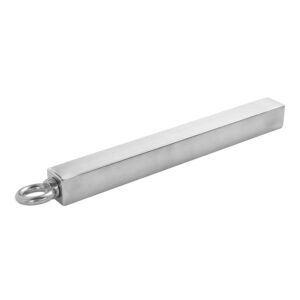
Square magnetic bars offer a flat profile that may suit compact spaces or equipment designed around rectangular components. Their mounting arrangement and orientation should be considered alongside the direction of material flow.
Tear drop magnetic rods are designed for applications where material flow and buildup around the rod are important considerations, particularly with powders that may bridge or accumulate in gravity-fed systems.
Easy clean pull out rods are suitable where collected ferrous particles must be removed frequently. Their pull out mechanism helps simplify cleaning compared with a fixed rod that requires manual removal of particles from the magnetic surface.
The best shape depends on the processed material, available space, contact with the material stream, and how operators will access the rod for cleaning. For a closer comparison, see our guide to choosing magnetic rod shapes.
Applications Across Industrial Processing
Magnetic rods and bars can help remove ferrous contamination at different stages of production:
- Food ingredient processing: Used in lines handling flour, grains, powders, and other ingredients where control of metal contamination is important. Material selection, surface finish, and cleaning procedures should be matched to the specific process requirements.
- Pharmaceutical processing: Used in suitable powder handling systems to help capture ferrous particles. The required material documentation and equipment qualification should be confirmed for each installation.
- Plastics and chemicals: Installed in material handling equipment to help prevent ferrous particles from reaching downstream processing machinery and finished products.
- Other bulk material processes: Magnetic rods may also be integrated into separation equipment used for minerals, construction materials, and other dry or wet materials, subject to the characteristics of the process.
Key Specifications to Confirm Before Ordering
When specifying an industrial magnetic rod, confirm the shape, diameter or cross section, magnetic length, overall length, housing material, magnetic strength, operating temperature, and end connection. Threaded ends, lifting rings, and other mounting arrangements may be considered for integration into existing equipment.
If magnetic strength is stated in Gauss, ask how and where it was measured so that different options can be compared on a consistent basis. Temperature limits should also be confirmed for the selected magnet grade and complete rod assembly; they should not be assumed to apply to every neodymium magnetic rod.
For rods installed in grates or frames, the number and spacing of rods should be designed around the equipment opening, material characteristics, and required flow rate. These system level values cannot be determined from the rod specifications alone.
Cleaning and Maintenance
Collected ferrous particles should be removed at an interval appropriate for the contamination level and production schedule. During cleaning, follow the equipment’s operating instructions and take care when handling strong magnets and captured metal particles.
Inspect the housing, welds, and end connections for wear or damage as part of routine maintenance. Where magnetic performance is critical, record periodic measurements using a consistent method and compare them with the equipment’s original acceptance values. A damaged housing or a meaningful change in measured performance should be reviewed before the rod is returned to service.